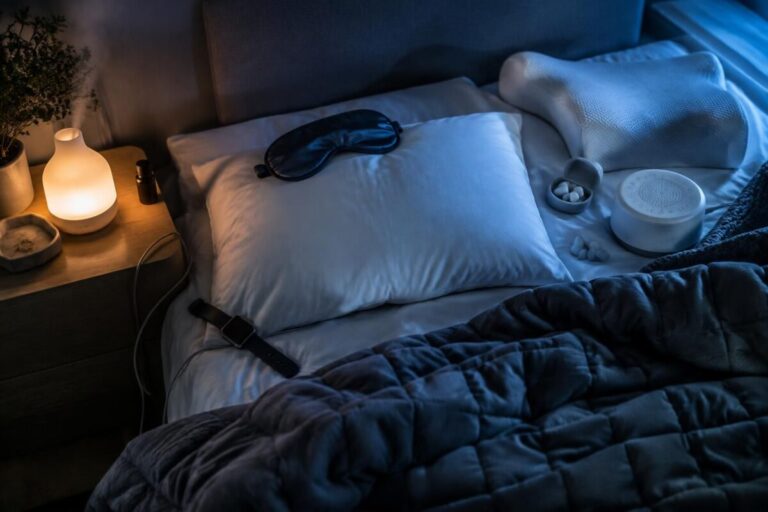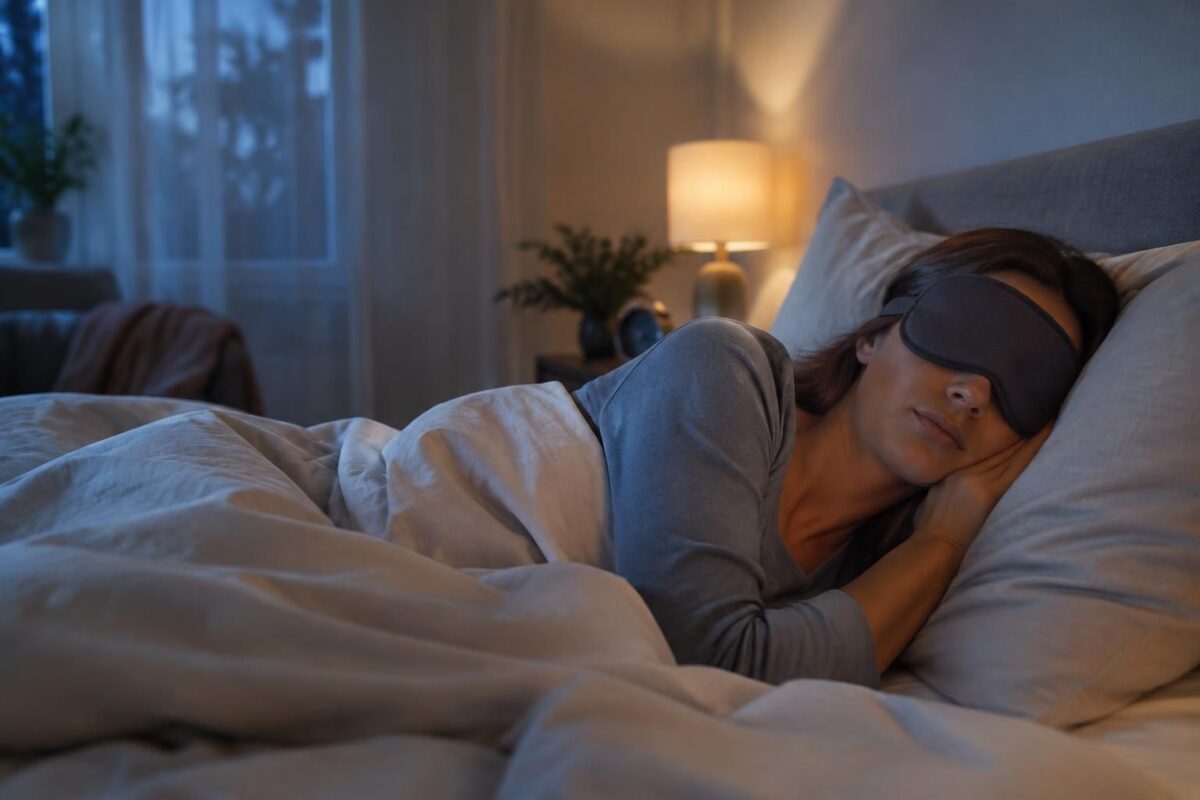
Sleep quality: does this mask help or hinder your sleep?
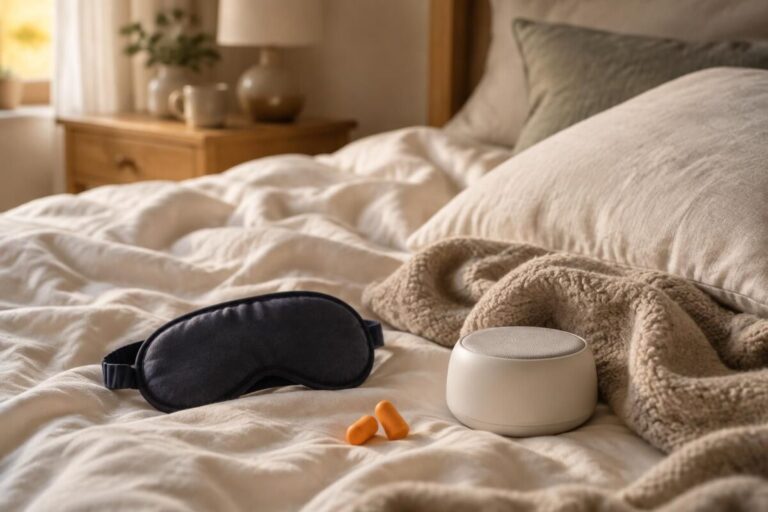
Hello, Kiora here. Yes, a sleep mask can improve sleep quality if light bothers you, as long as it stays comfortable and doesn’t press on your eyes. It helps create darkness, but won’t resolve other causes of poor sleep on its own. The right choice mostly comes down to fit, material, and your sleeping position.
What to do right away
- Identify the sources of light that wake you or delay you from falling asleep.
- Choose a soft, breathable, adjustable style.
- Check that it blocks light around the nose without feeling tight.
- Try it for a few minutes before going to bed.
- Take it off if it irritates your skin or causes discomfort.
To compare the benefits and drawbacks for your needs, see these tips on whether a mask is helpful or bothersome at night and this overview of sleep masks for bedtime.
Sleep masks: when do they really help at night?
A mask covers your eyes and limits light from a window, screen, or indicator light. This darkness can make it easier to fall asleep, especially if you sleep during the day, travel often, or share a room with someone who goes to bed later.
It doesn’t guarantee restorative sleep and isn’t a substitute for a regular routine. However, it can remove a simple obstacle to rest and support your well-being at night when light is a source of discomfort.
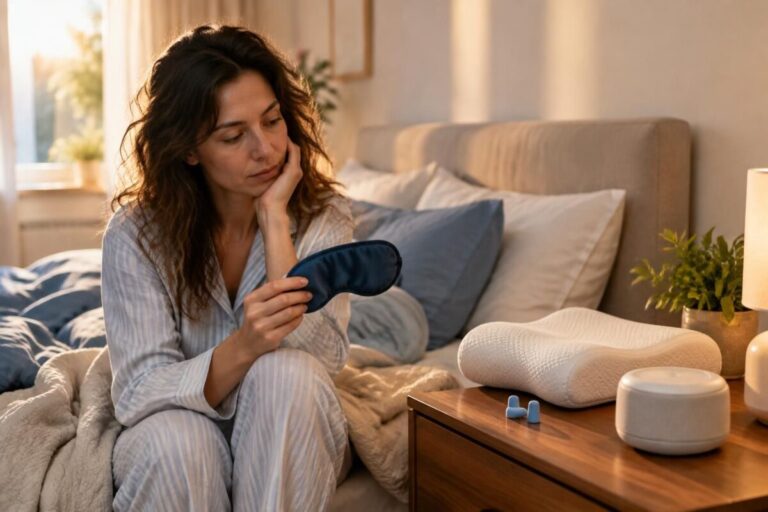
If light is what wakes you, a well-fitting mask may help. If it’s the pressure, heat, or a slipping strap, it’s more likely to affect your comfort at night.
Signs it’s right for you
- It blocks light without pressing on your eyelids.
- It stays in place when you change positions.
- Its material is soft and breathable.
- You don’t notice any itching or waking during the night because of the mask.
One reader said she would wake at dawn as soon as the sun came through the curtains. A lightweight mask helped her sleep longer, while a style that was too tight made her want to take it off.
“The best mask is one you forget you’re wearing.” This sums up the key point: blocking out light matters, but comfort comes before unnecessary features.
Pressure on the eyes, heat: what can be uncomfortable
A mask that’s too tight can create pressure on the eyes, leave marks, or pull on your hair. Styles with molded eye cups leave more room around the eyelids; try one if direct contact bothers you.
Breathability also affects comfort. A soft, airy fabric is often a better choice than a thick material, especially if you get hot at night. Silk may feel pleasant against the skin, but fit and care matter just as much as the fabric’s name.
Weighted masks add a feeling of pressure that some people enjoy, but they’re not right for everyone. Connected masks sometimes play sounds, while styles with gel inserts are more suited to a short relaxation routine: follow the manufacturer’s instructions and remove the inserts before sleeping if they aren’t designed to be worn all night.
| Type of mask | Potential benefit | What to watch out for |
|---|---|---|
| Classic or 3D | Simple, often lightweight, and useful for blocking light | Check the space around the eyes and the fit around the nose |
| Weighted | Light pressure may feel soothing | Avoid it if you don’t like feeling weight on your face |
| Connected | Lets you listen to audio or a podcast | May be warmer, more expensive, and dependent on a battery |
| With gel inserts | Provides a cooling or warming sensation for occasional use | Check the instructions and remove the insert if it causes discomfort |
Prices and features vary depending on the style and situation. There’s no need to go for the most sophisticated option: start with light blocking, softness, and an adjustable strap.
Choose and test your mask in three steps
- Step 1: define what you need. For a bright bedroom, prioritize a contour that blocks light near the nose; for travel, choose a compact style that’s easy to pack.
- Step 2: adjust the strap without tightening it too much. The mask should stay in place without pressing on your eyelids or rubbing your temples.
- Step 3: try it for a few nights and see how comfortable it feels. If you wake up feeling uncomfortable, loosen it, try a different style, or sleep without a mask.
Wash a mask regularly according to its care label. A hand-washable style requires little equipment; let it air-dry before wearing it again.
For a simple test, lie down in your usual sleeping position and check whether a halo of light remains around the nose. Then close your eyes and blink several times: your eyelids shouldn’t touch the fabric.
When should you choose another solution?
If most of the light comes from the window, blackout curtains may be a more practical solution at home. However, they won’t come with you when you travel or take a nap away from home.
If the mask bothers you every night, don’t force yourself to wear it. A darker room, a consistent bedtime routine, and a comfortable temperature can also support sleep quality.
Is it good to sleep with a sleep mask?
Yes, if light disrupts your rest and the mask stays comfortable. It helps darken your field of vision, but won’t address all the causes of difficulty sleeping on its own.
Can a mask cause you to wake during the night?
Yes, if it’s too tight, too warm, slips, or irritates your skin. Try a softer, adjustable style, or take it off if the discomfort persists.
Which mask should I choose if I sleep on my side?
Look for a slim, flexible style with a secure strap. Try it in your usual sleeping position to check that it doesn’t press on your temples.
How do I care for a sleep mask?
First, follow the manufacturer’s care label. Wash it regularly according to the material and let it air-dry completely.
Thank you for your interest; Kiora