Sleep accessories: the trap of “soothing” objects
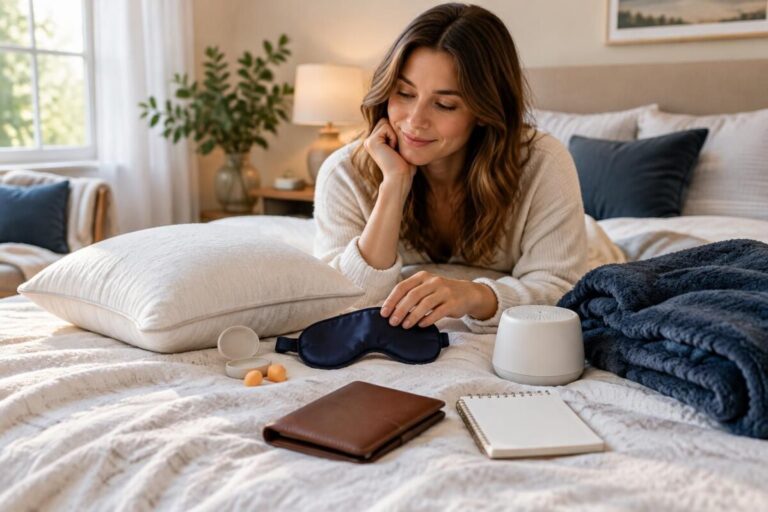
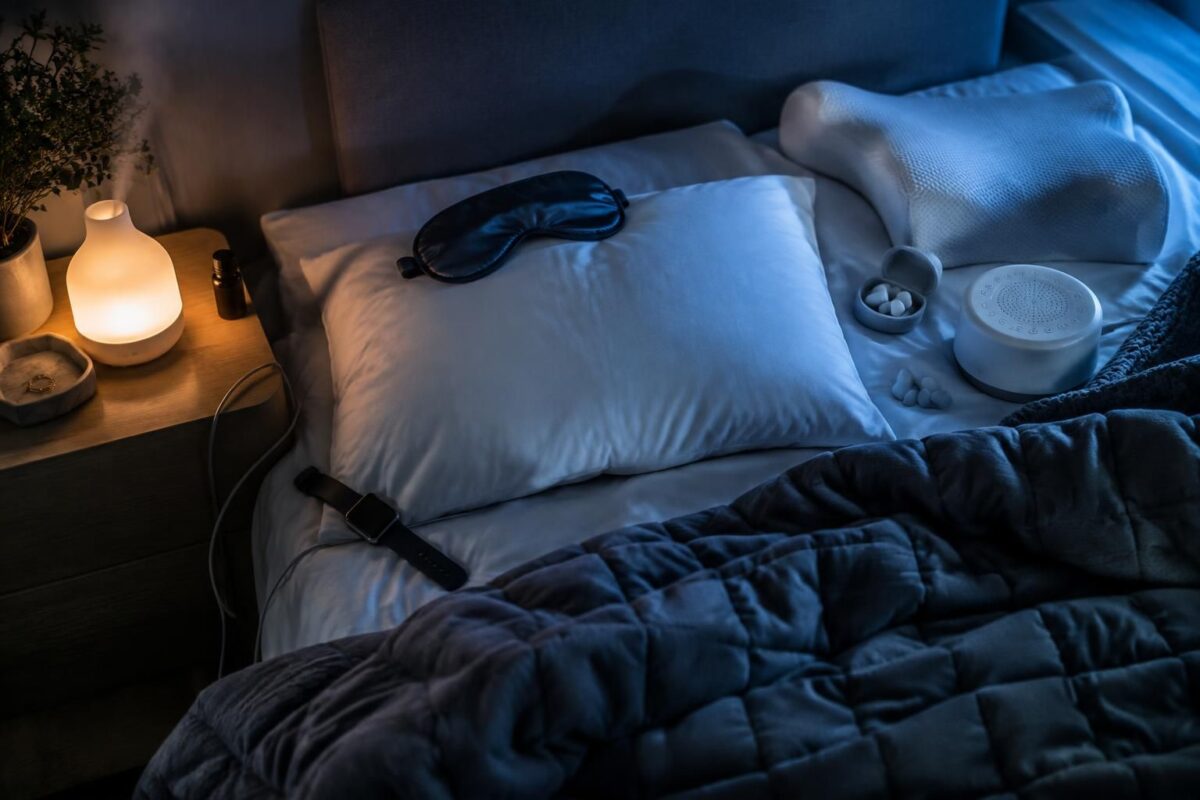
Hi, Kiora here. You can avoid the trap of “soothing” objects by choosing a single accessory suited to your needs, then checking whether it really improves your nights. A diffuser, weighted blanket, or connected gadget won’t replace a regular routine. The goal is still better rest, not a bedroom full of unnecessary purchases.
Do this right away
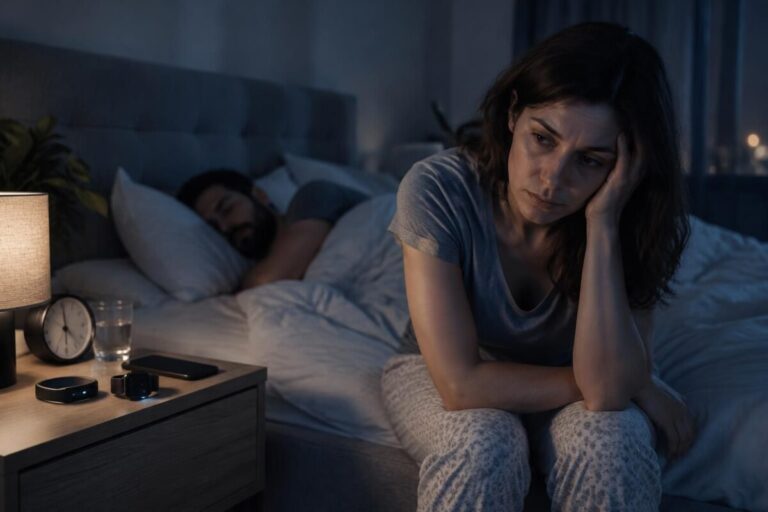
- Identify what’s disrupting your nights: noise, light, discomfort, or racing thoughts.
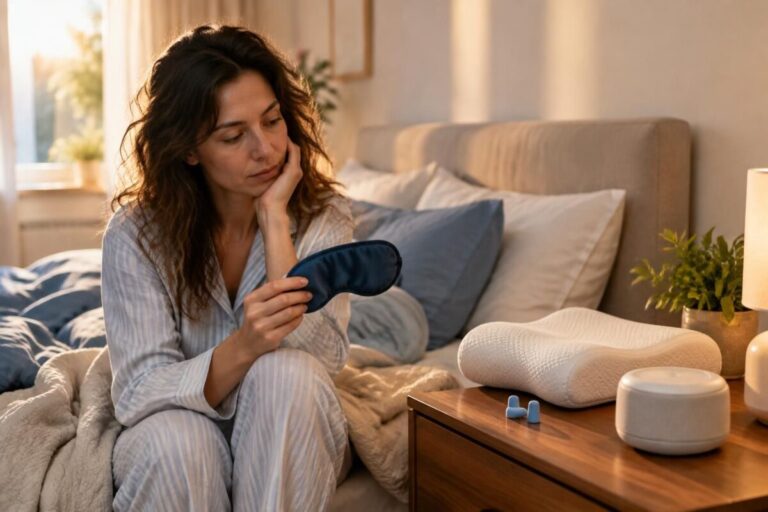
- Choose one sleep accessory directly related to that problem.
- Check the instructions for use and return policy before buying.
- Try the item for a few nights without changing your entire routine at the same time.
- Keep it only if it provides a concrete, noticeable benefit.
Before you get out your card to compare accessories, check out these guidelines on the real usefulness of a sleep accessory and common mistakes to avoid.
Soothing objects can support nighttime well-being, but their effect depends on the person and the context. Soft lighting may appeal to one person and bother another; a weighted blanket may feel comforting to one person but uncomfortable to someone else.
Sleep accessories: distinguishing comfort from marketing
Sleep marketing sometimes promises a perfect night with a simple purchase. In practice, an accessory can create a relaxing atmosphere or make you more comfortable, without guaranteeing that you’ll fall asleep or improving sleep quality on its own.
A simple rule can help you stay on track: a specific need calls for a specific test. If noise wakes you up, start by reducing that disturbance. If you wake up with a stiff neck, check your pillow and sleeping position instead.
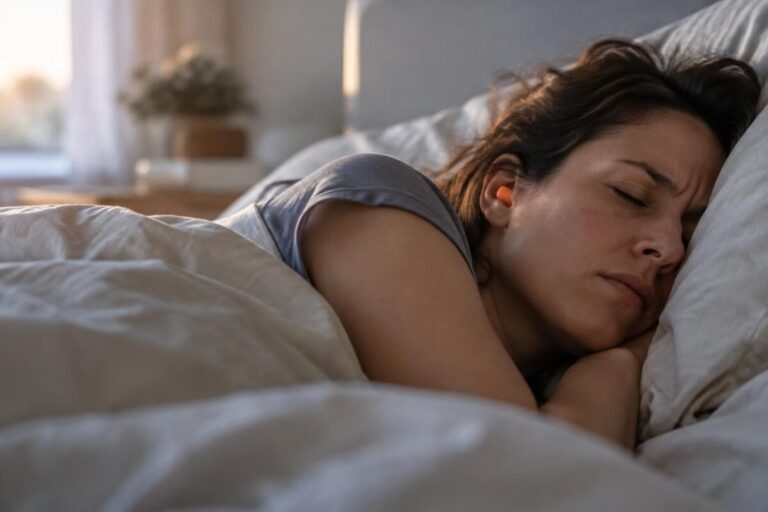
A fictional reader, Nora, had bought three sleep gadgets in one week. In the end, she kept earplugs, because they were the only purchase that addressed her specific problem.
Sensory objects: support, not promises
A light scent, a decorative object you like, or a comfortable cushion can help establish a bedtime ritual. But a scent that’s too strong, poorly positioned lighting, or an accessory that’s difficult to clean can quickly become a new source of discomfort.
As a useful idea reminds us: “A good tool serves a need; it doesn’t create one.” Before buying, ask yourself whether you’d still use it without the promises on its packaging.
Choosing sleep gadgets based on the problem
Accessories don’t all affect the same aspects of the night. This table can help you narrow down your options without turning a personal preference into medical advice.
| Identified need | Option to try | What to watch out for |
|---|---|---|
| Occasional noise | Well-fitting earplugs or subtle background noise | Comfort and safe use |
| Neck discomfort | A pillow that provides appropriate support | The right height depends on your sleeping position |
| Feeling cold or wanting to feel wrapped up | A comfortable blanket, possibly weighted | The weight and warmth should feel comfortable |
| Difficulty waking up in a dark room | A sunrise alarm clock | The brightness and settings should suit you |
| Curiosity about nighttime habits | A sleep tracker or sensor | The data offers insights, not a diagnosis |
Diffusers, decorative objects, and heated eye masks may also contribute to some people’s comfort. For essential oils, check the usage precautions and avoid diffusing them if they irritate you or make it harder to breathe.
Two situations to help you make the right choice
If noise is what wakes you up, first try a simple, comfortable solution, then see whether you wake up less often. If physical discomfort is the issue, adjust your pillow or bedding before investing in a connected device.
Test a sleep accessory in three steps
- Step 1: define the problem. For a few nights, note what bothers you most without trying to fix everything at once.
- Step 2: choose a simple option. Compare comfort, maintenance, price, and usage instructions. Results vary depending on the model and situation.
- Step 3: evaluate the results. After several nights, keep the accessory if it works for you, and simplify your bedtime routine if it makes no difference.
This test helps you avoid accumulating objects and identify what really supports good sleep hygiene. Regular schedules, a suitable bedroom, and a calm routine remain useful foundations, with or without a gadget.
Soothing accessories: when to seek professional advice
An accessory may improve your sense of comfort, but it can’t identify the cause of an ongoing problem. Wristbands and sensors, for example, provide estimates; their results are no substitute for a diagnosis.
If your sleep difficulties persist, affect your days, or come with concerning symptoms, talk to a healthcare professional. The best choice is one that complements an appropriate approach without delaying necessary help.
Frequently asked questions about soothing objects for sleep
Can a soothing accessory solve sleep problems?
It may support comfort or reduce a specific source of discomfort, but it won’t necessarily address the cause of a sleep problem.
How many accessories should you try at once?
Start with just one accessory. That way, you can better tell whether it helps or adds to your discomfort.
Do connected devices measure sleep accurately?
They provide estimates that are useful for observing trends, but their data is not a medical diagnosis.
How can you avoid an unnecessary purchase?
First identify your need, check the product specifications, and test the item according to the manufacturer’s instructions.
Thank you for your interest; Kiora