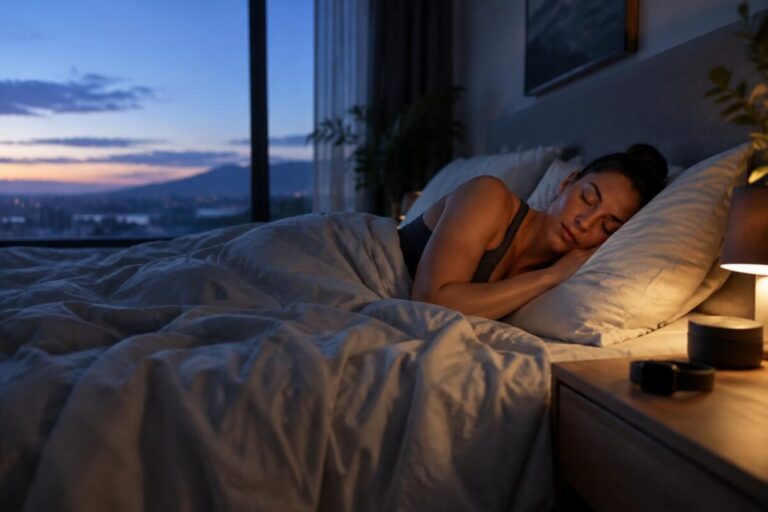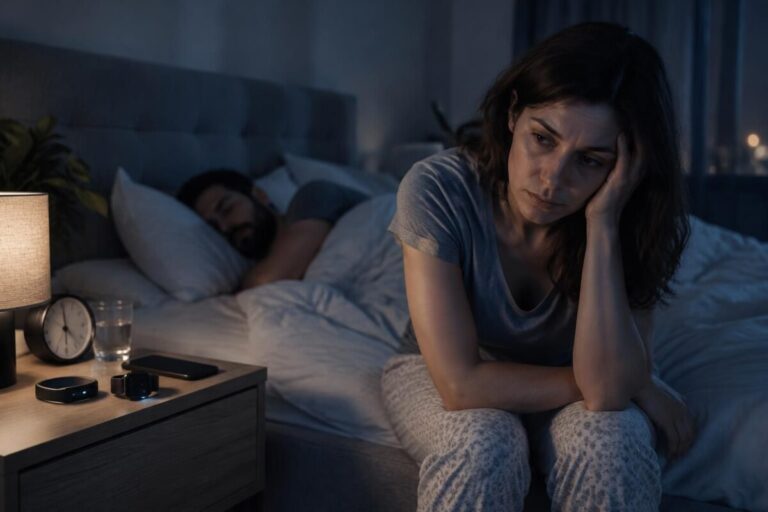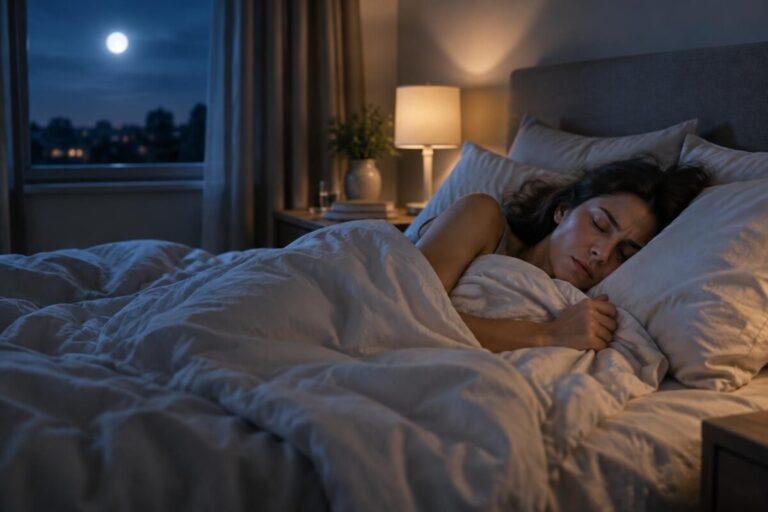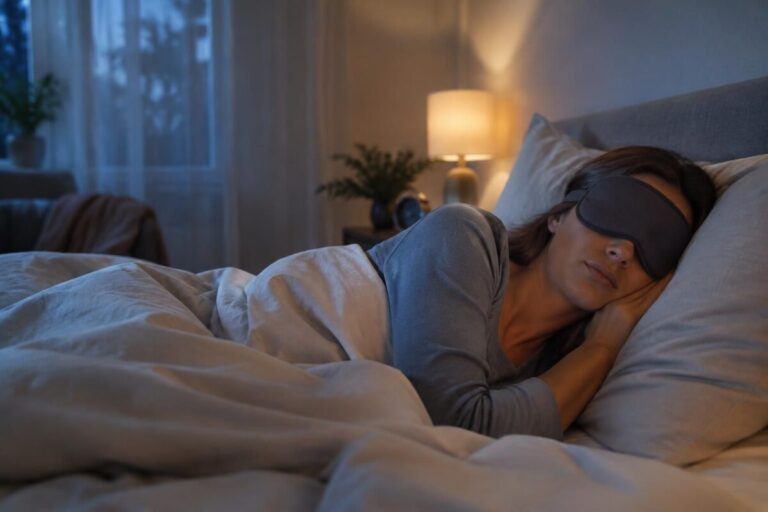
Sleep problems: which accessory to choose to get it right
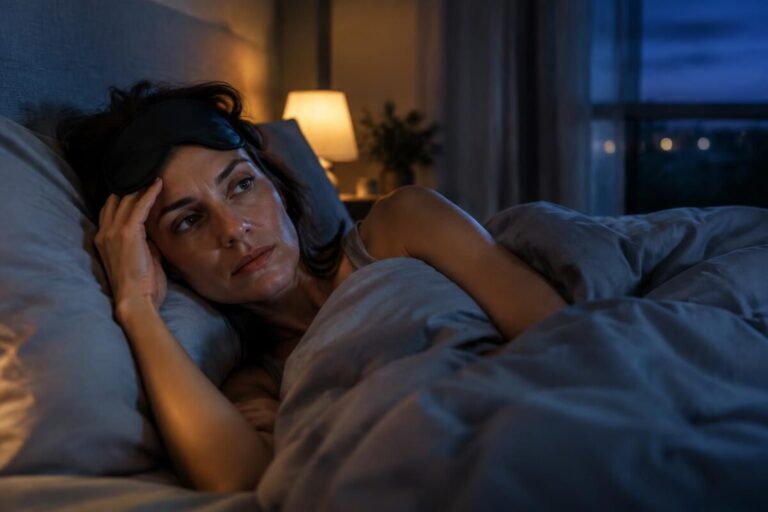
Hi, Kiora here. To choose without making a mistake, start with the problem disrupting your nights: light, noise, stress, an irregular schedule, or discomfort. A useful sleep accessory targets a specific problem; no gadget works for everyone. Start with a simple solution, then observe its effect on your rest for a few weeks.
What to do right away
- Note what wakes you up or delays you from falling asleep.
- Identify whether the problem comes from your bedroom, stress, or bedding.
- Choose just one accessory to try first.
- Make sure it’s comfortable, easy to use, and easy to return.
- Keep a regular schedule to support good sleep hygiene.
To make your bedtime more consistent, check out these tips for a more regular bedtime and these ideas to understand why an evening routine may stop working.
Sleep problems: choose an accessory based on what’s bothering you
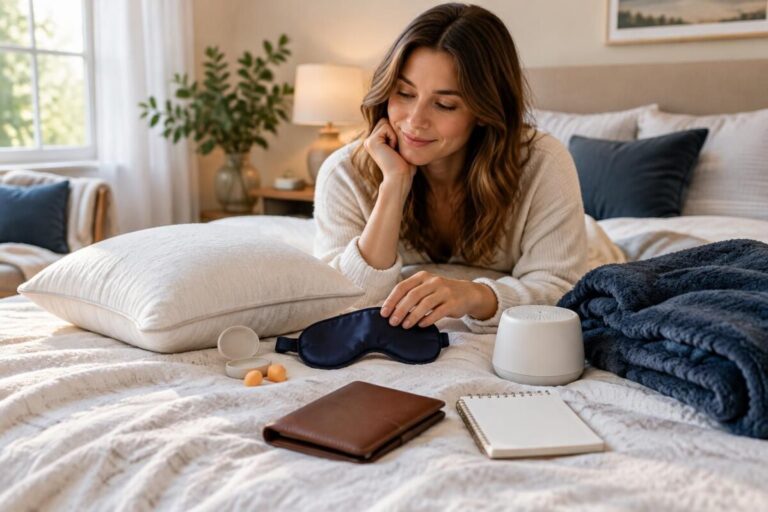
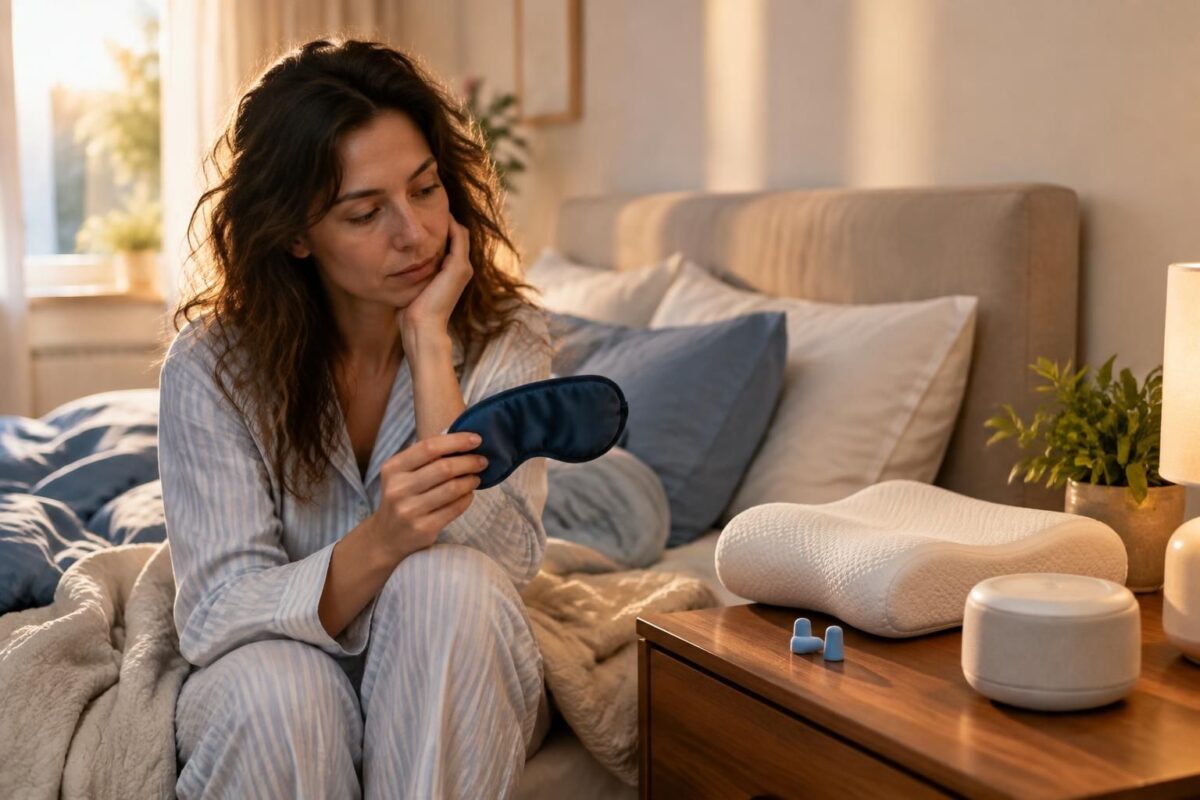
A sleep mask can help if a streetlight or the morning sun wakes you up. If noise is the issue, earplugs or a discreet white noise machine can mask irregular sounds. The goal is to improve your comfort at night, not to force yourself to sleep.
If you wake up feeling tense, consider an ergonomic pillow instead. Its height should suit your usual sleeping position; an unsuitable model may make you more uncomfortable. A weighted blanket may feel reassuring to some people, but its weight and warmth aren’t right for everyone.
| Main problem | Accessory to consider | What to check |
|---|---|---|
| Light | Sleep mask or blackout solution | Comfort, fit, no pressure |
| Occasional noise | Earplugs | Correct size and tolerable feel |
| Continuous noise | White noise machine | Adjustable volume and timer |
| Stiffness on waking | Ergonomic pillow | Height suited to your posture |
| Irregular schedule | Sunrise alarm clock | Morning use and simple settings |
If light is bothering you, first try a comfortable mask; if it’s noise, try earplugs or a steady sound at low volume. An accessory should never delay a medical consultation if sleep problems persist or are accompanied by severe daytime sleepiness.
Which sleep accessory should you choose to sleep better?
If you have an irregular schedule and find mornings difficult, a sunrise alarm clock can support a regular routine. Light therapy may also be an option depending on your situation, but it needs to be used appropriately. If you have an eye condition or bipolar disorder, ask a professional for advice before using it. You can find practical guidance in this guide to choosing a device to help you sleep.
When your mind keeps racing, a breathing guide or a short audio session can help structure your relaxation. Choose simple programs without a bright screen or overly stimulating content. “Consistency matters more than accumulating accessories.”
A fictional reader, Nora, used to wake up when headlights shone through her curtains. She started with a well-fitting mask rather than buying several gadgets, then tracked her awakenings for two weeks.
Accessories complement healthy habits; they don’t replace them. To compare different types of equipment, also see this overview of sleep devices and solutions.
A three-step method for making the right choice
- Step 1: For a few days, note your bedtime, awakenings, and their likely causes. Distinguish between noise, light, heat, stress, and pain.
- Step 2: Choose an accessory that directly addresses the problem. Check comfort, noise level, trial conditions, and any application fees.
- Step 3: Use it consistently for two to three weeks, depending on the model and your situation. Keep it only if it genuinely improves your sleep quality without complicating your routine.
Avoid trying several solutions at once: you won’t know which one is helping. A dark, quiet bedroom at a comfortable temperature is often a good starting point for supporting good sleep hygiene.
Mistakes to avoid before buying
A popular product isn’t necessarily right for your needs. Check the dimensions, ease of care, and return options; comfort is essential for a mask or earplugs. With a sound machine, start at a low volume and choose a timer so it doesn’t run all night if that bothers you.
Don’t try to treat significant symptoms with a gadget alone. Heavy snoring, suspected pauses in breathing, persistent pain, or pronounced daytime fatigue warrant medical advice. An accessory may improve your environment, but it doesn’t replace a health assessment.
Which accessory should I choose if I wake up because of light?
Start with a comfortable sleep mask or improve your bedroom’s blackout. Make sure the mask doesn’t press on your eyes and stays in place without causing discomfort.
Are earplugs suitable for everyone?
They can reduce bothersome noise, but not everyone finds the feeling in their ears comfortable. Choose the right size and stop using them if they cause pain or irritation.
Does a weighted blanket help you sleep better?
It may provide a comforting, enveloping feeling for some people, but its weight and warmth aren’t suitable in every situation. Check the manufacturer’s recommendations and ask for advice if you have a health condition.
How long should I test a sleep accessory?
Observe its effect for two to three weeks, depending on the model and your situation, without changing several habits at once. If the problems persist or get worse, ask a healthcare professional for advice.
Thank you for your interest; Kiora