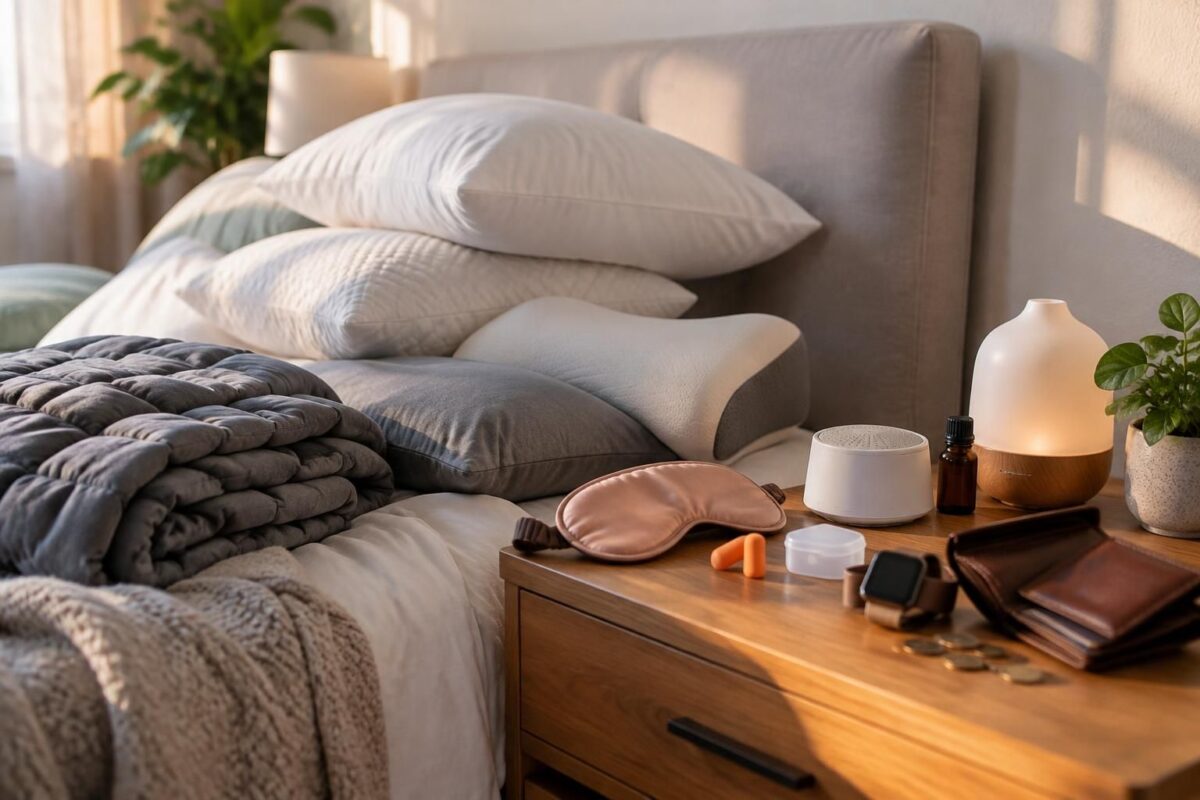
7 Sleep Accessory Mistakes That Are Ruining Your Budget
Hello, Kiora here. To keep sleep accessories from wrecking your budget, stick to the ones that address a real problem and try simple solutions before buying anything. A poorly chosen pillow, an overly warm blanket, or useless gadgets can disrupt your nights without improving your comfort. A few checks are often all it takes to limit unnecessary spending and create a more suitable sleep environment.
Do this right away
- Check whether your pillow supports your neck properly in your usual sleeping position.
- Use a lighter blanket if you get too hot during the night.
- Reduce the light and keep screens away before bed.
- Identify recurring noises before buying earplugs.
- Set a sleep budget and compare prices before choosing an accessory.
These first steps help you pinpoint the real need instead of accumulating sleep gadgets. To review the most common missteps, see the accessory mistakes that make it harder to fall back asleep and these shopping tips to avoid spending too much too soon.
7 costly mistakes with sleep accessories
A purchase becomes unnecessary when it doesn’t address the cause of your discomfort. Before replacing all your bedding, consider these seven mistakes and first fix what’s really disrupting your nights.
1. Choosing a pillow without considering your sleeping position
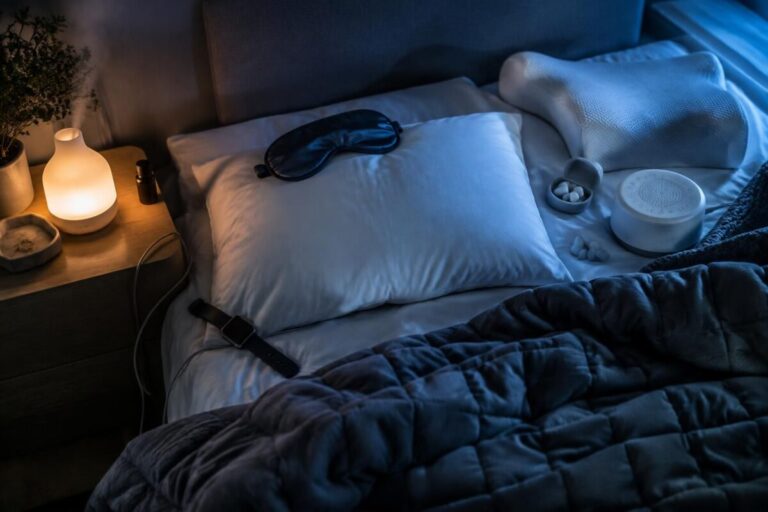
A pillow that’s too high, too flat, or too firm can cause neck tension and lead to waking during the night. An ergonomic pillow may work for you, but its shape doesn’t guarantee that it will suit everyone.
2. Buying a blanket that’s too warm or too heavy
A thick blanket can trap heat and make the night uncomfortable. Instead, choose a breathable material that suits your bedroom temperature and your preferences.
3. Paying a lot for “sleep-specific” lighting
A sophisticated lamp isn’t always necessary. Soft, warm light in the evening may be enough; also dim your screens and keep them away from the bed.
4. Buying noise-blocking accessories before identifying the source
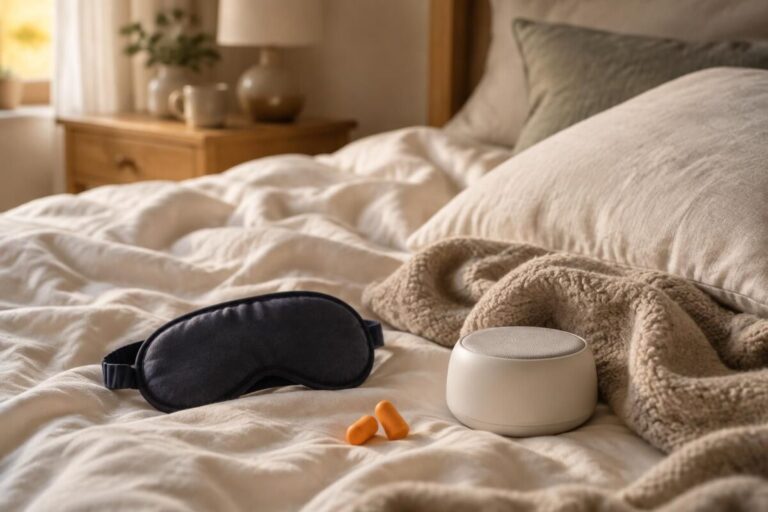
Earplugs can help if a recurring noise wakes you, but they’re not the only option. First identify the sound: a slamming door or a noisy appliance can sometimes be fixed without buying anything new.
5. Accumulating sleep gadgets with vague promises
Connected sleep masks, soothing objects, and expensive devices can end up forgotten in a drawer if they don’t meet a specific need. Before paying, ask yourself whether a simple solution would do the job.
6. Buying a sleep mask without checking its comfort
A sleep mask can block out light, but a model that’s too tight or irritating may cause more discomfort than it relieves. Check the material, fit, and return policy.
7. Replacing several accessories at once
Changing your pillow, sheets, blanket, and lighting all at once makes it hard to know what actually improves your comfort. Make changes gradually: you’ll avoid purchase mistakes and manage your sleep budget more effectively.
Compare purchases before you pull out your card
A price comparison alone isn’t enough to identify the best option: also check the materials, care requirements, return period, and warranty. If you’ve never tried an accessory before, choose an affordable option or one you can try before going for the most expensive model.
| Mistake | What could happen | First thing to try |
|---|---|---|
| Unsuitable pillow | Tension and uncomfortable awakenings | Check the support it provides for your sleeping position |
| Blanket that’s too warm | Overheating during the night | Choose a more breathable material |
| Light that’s too bright | An atmosphere that’s not conducive to bedtime | Dim the existing lights |
| Recurring noise | Interrupted sleep | Identify and then reduce the source |
| Unhelpful gadget | Spending without a clear benefit | Try a simple alternative |
A short story sums up the trap: Lina bought a new pillow, then a weighted blanket, without understanding why she was waking up in a sweat. By removing the overly warm blanket, she solved her discomfort without spending any more.
“The best accessory is one that meets a real need.” This rule helps you tell a useful purchase from an appealing but unnecessary item.
A simple way to choose without wasting money
If light is bothering you, start by dimming the lamp and moving screens away. If it’s noise, first try a targeted solution such as suitable earplugs.
- Step 1: For a few nights, note what wakes you or bothers you: heat, light, noise, or tension.
- Step 2: Change one thing at a time, starting with the least expensive option.
- Step 3: If the problem persists, compare models and return policies before buying.
This approach helps you distinguish novelty from usefulness. A consistent bedtime and a calming routine may also matter more than one more accessory.
To complement these shopping tips, this video discusses habits and accessories that can affect sleep.
Frequently asked questions about sleep accessories
Is an ergonomic pillow always worth the price?
Not necessarily. It may be helpful if its support suits your sleeping position and comfort needs. Check the trial and return policies before buying.
Do earplugs help with all noises?
They can reduce some noises, but they may not suit everyone. Identify the source of the noise and make sure they’re comfortable to use.
How can you avoid unnecessary spending on sleep accessories?
Identify the problem, try a simple solution first, then compare prices, materials, and return policies before buying.
Can a sleep mask be enough to block out light?
It can help if light is disturbing your sleep. Choose a comfortable model and adjust the bedroom lighting too, when possible.
Thank you for your interest; Kiora